What is Painting?
Painting is one of the oldest and most expressive forms of art, allowing artists to communicate ideas, emotions, and stories through color, form, and texture. At its core, painting involves applying pigment to a surface to create an image or composition. Throughout history, painting has taken many forms from ancient cave murals to Renaissance masterpieces to contemporary abstract works, but it consistently serves as a powerful tool for visual expression. Painting encourages experimentation, creativity, and personal interpretation, making it a deeply versatile and widely practiced artistic medium. Click the icon at the top left to access our library of painting tutorials.
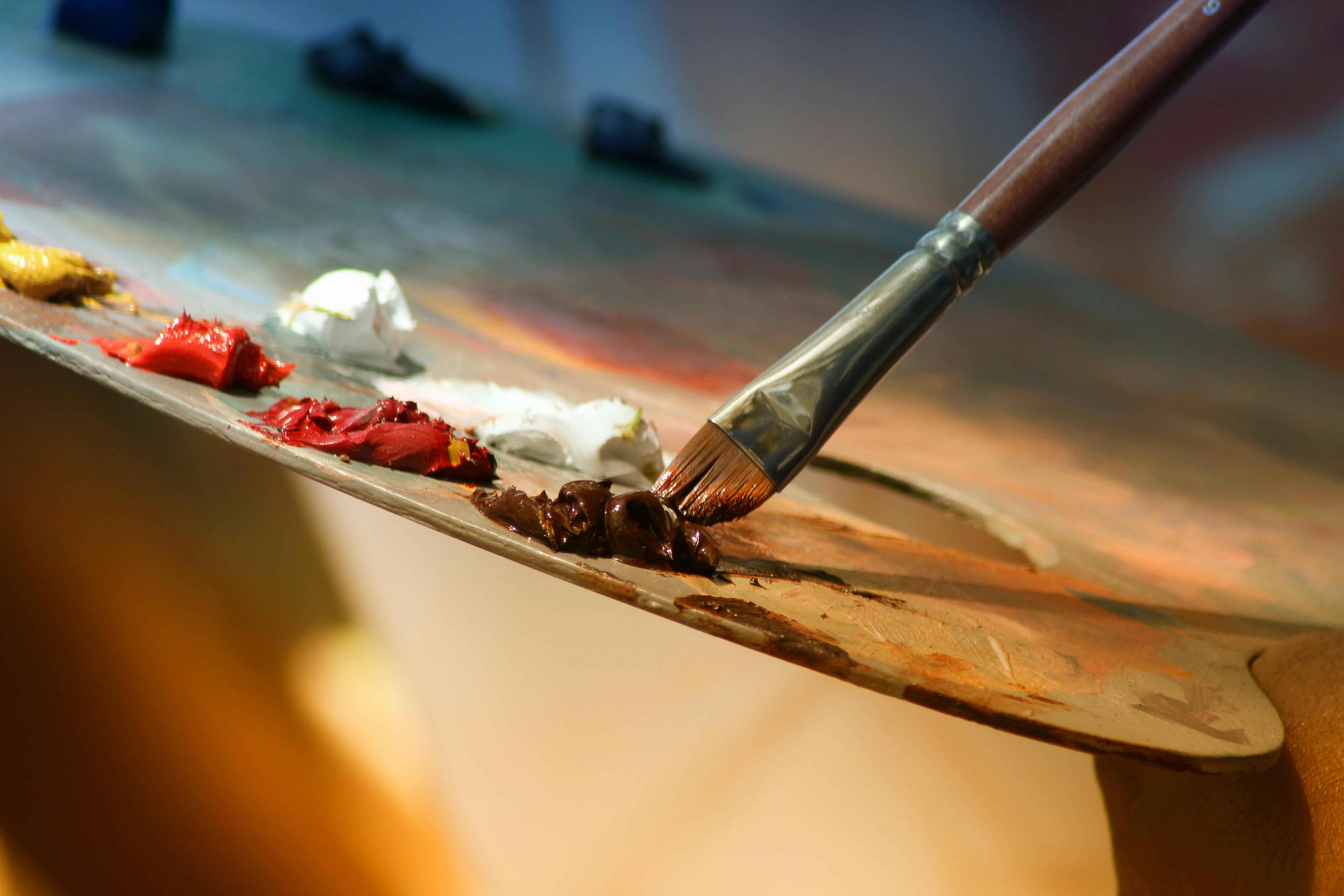
The materials used in painting vary depending on the artist's style and chosen medium. The basics typically include paint, brushes, a palette, and a surface such as canvas, paper, wood, or panel. Additional tools like palette knives, sponges, mediums, varnishes, and easels help artists achieve specific effects or control the consistency and drying time of the paint. Each material contributes to the overall look and texture of the artwork, and experimenting with different combinations gives painters a wide range of creative possibilities.
There are many types of paint, each offering unique qualities and techniques. Acrylic paint is fast-drying, easy to work with, and great for layering or bold, vibrant color. Oil paint is known for its rich texture, slow drying time, and ability to blend smoothly for realistic shading and depth. Watercolor produces delicate, transparent washes and is popular for its fluid, spontaneous feel. Gouache offers opaque coverage with a matte finish, making it useful for illustration and design. Artists also experiment with spray paint, encaustic wax, and mixed-media combinations to explore texture and unconventional surfaces.
Painting techniques vary widely and allow artists to develop their own style. Techniques like glazing, scumbling, dry brushing, impasto, and wet-on-wet can dramatically change the look of a piece. Some artists use smooth blending for realism, while others embrace expressive brushstrokes or layered textures. Composition, color theory, and brush control all play important roles in how a painting comes to life. Together, these materials and techniques make painting a rich and endlessly adaptable form of artistic expression.