What is Digital Art?
Digital art is a broad and constantly evolving form of creative expression that uses technology as its primary medium. Instead of traditional tools like pencils or paint, digital artists work with software, screens, and digital devices to create visuals that can range from realistic illustrations to stylized graphics, animations, and interactive designs. Because it exists in a virtual space, digital art allows for endless experimentation, artists can undo mistakes instantly, work in layers, and explore colors, textures, and effects that would be difficult or impossible to achieve with physical materials. As technology continues to advance, digital art has become a major part of entertainment, advertising, gaming, and online culture. Click the icon at the top left to access our library of digital art tutorials.
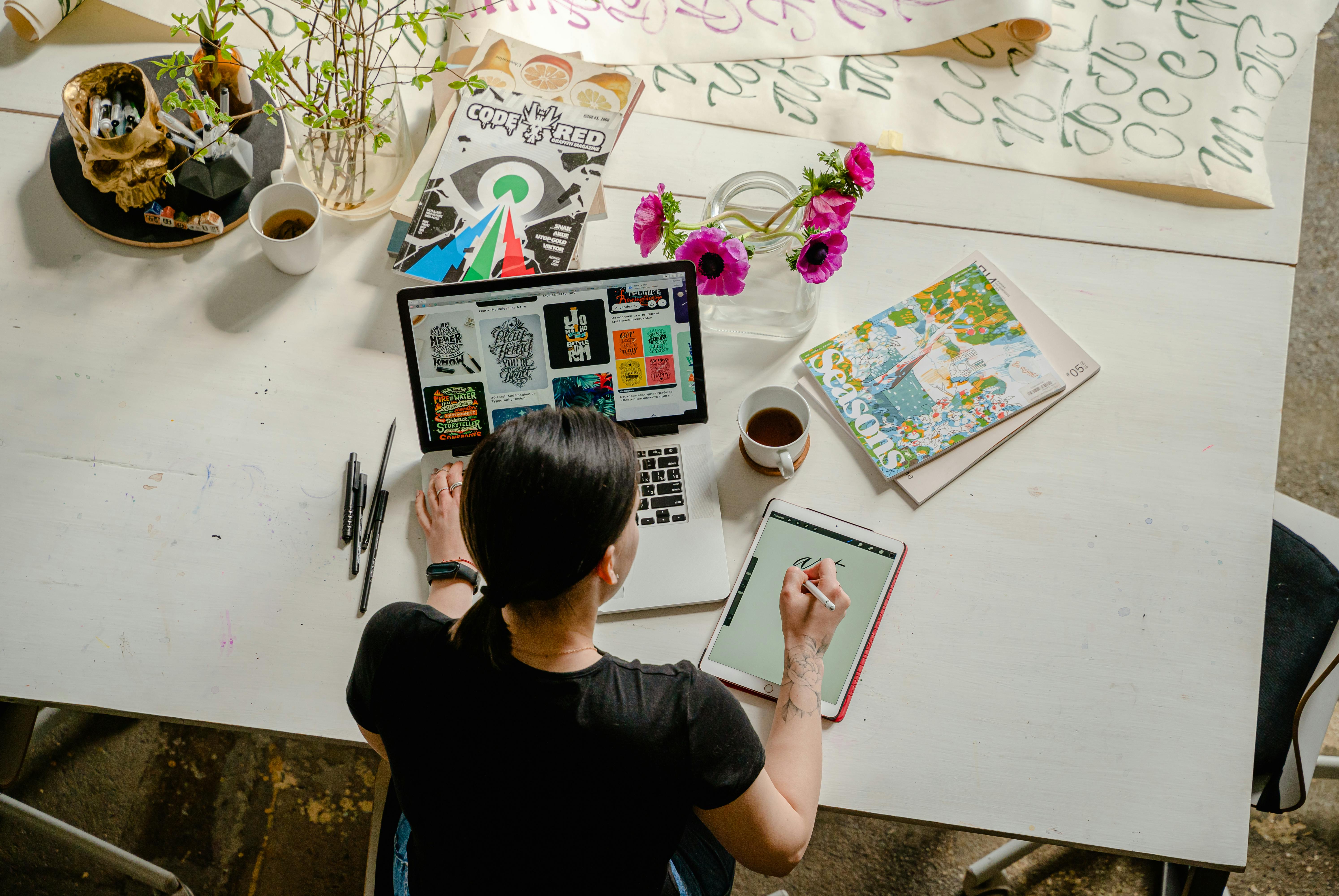
The materials required for digital art depend on the artist’s goals, but usually include a computer or tablet, digital drawing software, and sometimes a stylus or graphics tablet for more precise control. Programs like Adobe Photoshop, Procreate, Illustrator, Blender, and Clip Studio Paint offer tools for painting, drawing, modeling, and animation. Many artists use drawing tablets such as Wacom devices or iPads with Apple Pencils to create natural, hand-drawn strokes. Additional resources like digital brushes, textures, 3D assets, and reference images can also support the creative process and expand what the artist is able to do.
There are many types of digital art, each with its own style, tools, and techniques. Digital illustration focuses on drawing and painting using virtual brushes and layers. Graphic design involves creating layouts, logos, posters, and visual branding using typography and shape tools. 3D modeling and sculpting allow artists to build characters, environments, and objects that can be animated or used in games and films. Pixel art relies on deliberately placed pixels to create retro, stylized images, while digital painting uses brush tools to mimic traditional techniques like blending, glazing, and texturing. Animation, motion graphics, photo manipulation, and digital collage are additional forms that explore movement, composition, and visual storytelling.
Digital art encourages experimentation with techniques such as layering, masking, shading, blending modes, texture overlays, and color grading. These tools give artists incredible control over their work, allowing them to adjust every detail with precision. Whether someone is painting a fantasy landscape, designing a poster, sculpting a 3D character, or animating a short scene, digital art opens up endless creative possibilities and continues to grow as one of the most versatile mediums in modern art.